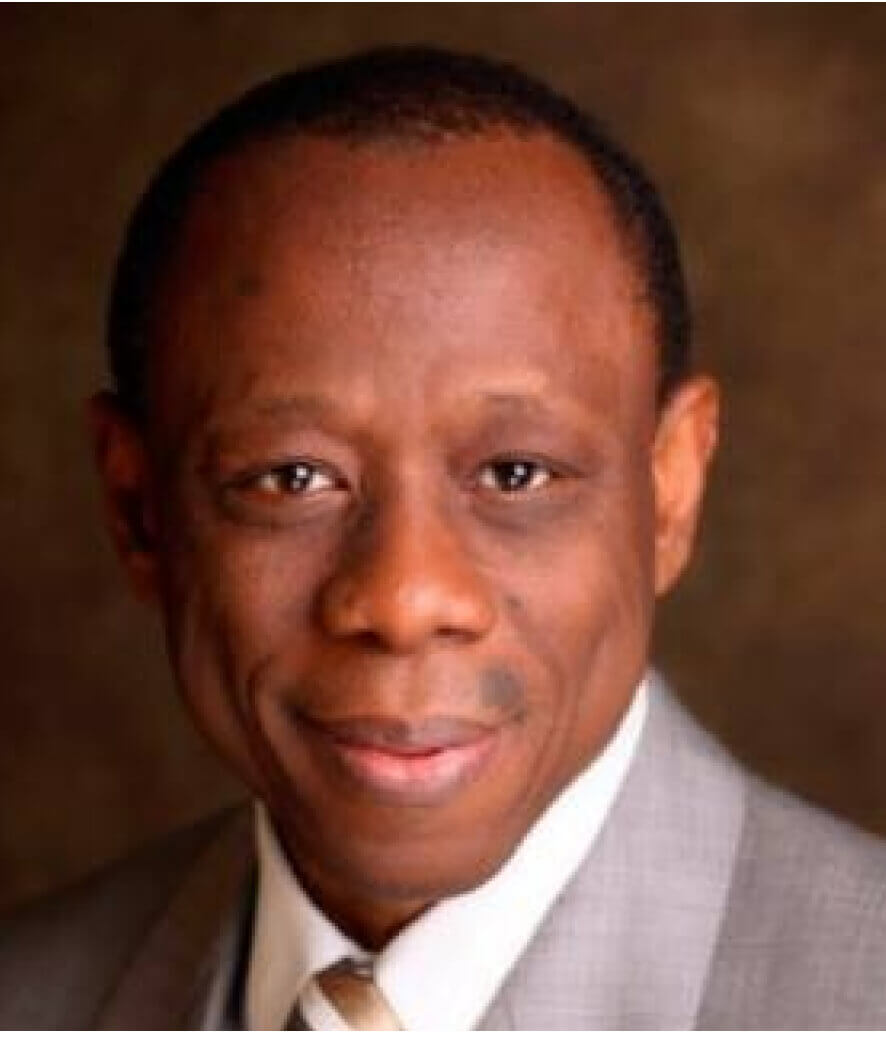
Zainab Oyewole – ICAN Certification
Zainab Oyewole, an Assistant Finance Officer who recently earned her ICAN certification, was interviewed, and here’s what she had to say.

Can you describe a moment when you almost gave up and what kept you going?
There was a point in my qualification journey that truly tested my resolve. I had written my final paper with high hopes, only to face a resit, and accepting that setback was difficult. For a moment, it felt as though all the long hours of study, the sacrifices, and the pressure had led to a dead end. What kept me going was reminding myself of the effort I had already invested – I didn’t want my hard work to end in discouragement. Also, seeing others share their excitement about the May 2025 induction also stirred something in me, not envy, but motivation. I wanted to stand among them, not as someone who almost made it, but as someone who pushed through.
Many students struggle with balancing work and ICAN. What specific study routine worked best for you?
Balancing work and ICAN wasn’t easy, but what helped me most was staying consistent. No matter how tired I was after work, I made sure to read something every day, even if it was just a few pages. I also used every small break I got during the day to revise or go through quick notes. Trust me, those little moments added up.
What study tool or method made the biggest difference for you?
The two tools that helped me the most were past questions and recorded tutorials. Working through past questions helped me understand the exam pattern and how topics are tested. Recorded tutorials were equally helpful, especially on days when I could not go for physical tutorial. I could replay difficult topics at my own pace and revisit explanations whenever I needed clarity. Combining these two tools made my studying more effective and kept me consistent, even on tough days.
How did you manage information overload, especially when preparing for multiple papers at once?
I managed information overload by breaking each subject into smaller, priority-based topics and creating a simple study plan I could stick to. I also used brief summaries and quick reviews to keep the material manageable, and I spaced out my study sessions so I could stay focused without feeling overwhelmed.
If you were to advise someone sitting for ICAN’s next exam, what would you say?
I will tell them to believe in their journey, even when it gets tough. There will be moments when the workload feels heavy or the outcome seems uncertain, but consistency truly pays off. Break the syllabus into small, manageable targets and practice past questions regularly. Most importantly, don’t let setbacks define you. Stay focused, stay patient, and remind yourself why you started, because that reminder can carry you through the hardest days.
Looking back, what mistake did you make during your preparation that others should avoid?
One mistake I made during my preparation was underestimating the power of consistent, disciplined routines. At times, I neglected rest, nutrition, or structured revision, thinking I could catch up later. I learned that steady daily effort far outweighs last-minute cramming. For anyone preparing for ICAN, I would advise prioritising both focused study and personal well-being – balance is key to performing at your best.